
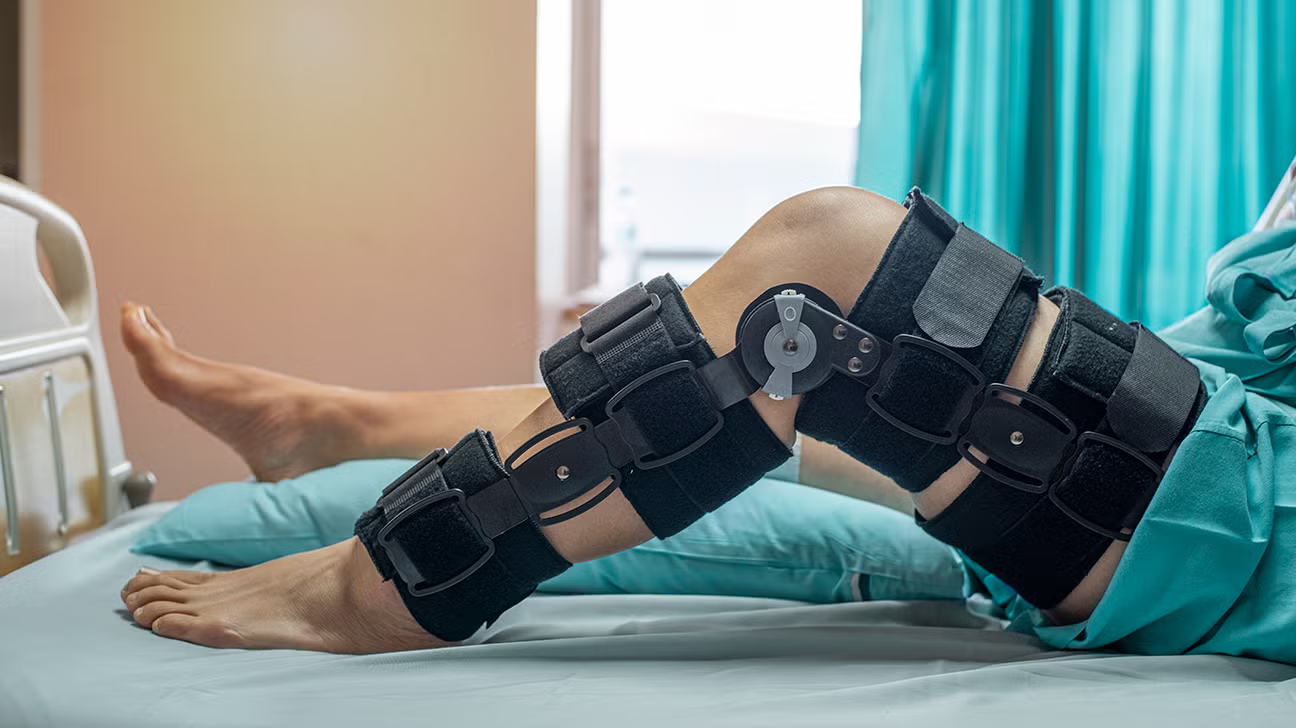
Have you ever watched athletes return to training after surgery and wondered how they manage the process so smoothly, even though real recovery usually feels far more complicated? Many patients feel eager to resume activity but unsure about what their body can handle. According to our editor’s research, the most challenging part of returning to sports is balancing motivation with realistic expectations. Surgery affects strength, mobility and confidence, so people often feel confused about the right pace. Understanding what to expect helps reduce the fear of reinjury and supports a smoother transition back to physical activity without unnecessary stress. This awareness also encourages a healthier mindset during the long recovery period.
Why does recovery feel unpredictable after surgery?
Recovery feels unpredictable because the body heals in stages that do not always follow a straight timeline. According to our editor’s reviews, tissues repair at different speeds and swelling fluctuates daily. Patients sometimes feel strong one day and weak the next, which creates frustration. This inconsistency is normal because the healing process involves inflammation and gradual tissue remodeling. Emotional factors also influence physical comfort, especially during early recovery. Understanding this unpredictability helps individuals approach their progress with more patience and less pressure.
What role does physical therapy play in returning to sports?
Physical therapy plays a central role because it guides the body through safe movements that rebuild strength and flexibility. According to our editor’s research, therapists identify weak points that need focused attention. They also monitor posture, balance and muscle coordination to ensure controlled progress. Many patients underestimate the importance of early therapy, yet it lays the foundation for later athletic performance. Each exercise introduces movements that mirror sports activities without risking reinjury. This structured approach helps athletes return with more confidence.
How soon can people expect to start moving again?
Movement begins earlier than many patients expect, often within days depending on the surgery type. According to our editor’s reviews, gentle motion prevents stiffness and supports circulation. Early activity usually includes slow walking or controlled stretching. These simple steps reduce swelling and maintain joint mobility. While progress feels small at first, early motion sets the stage for later strength training. Patients often feel encouraged once they see the immediate benefits of careful activity.
Why is gradual progression essential for athletes?
Gradual progression is essential because the body needs time to rebuild tissues that support movement. According to our editor’s research, pushing too quickly increases the risk of inflammation and reinjury. Many athletes feel tempted to resume old routines, yet the body after surgery responds differently. Slow progression allows muscles and joints to adapt safely to increased demands. This measured approach protects long term performance and prevents complications that could delay recovery.
What emotional challenges appear during return to sports?
Emotional challenges appear because surgery affects identity, confidence and daily routine. According to our editor’s reviews, many athletes fear reinjury even after doctors clear them for activity. Others feel frustrated by physical limitations or slow progress. These emotions often peak when patients compare themselves to pre surgery performance. Recognising these feelings helps individuals respond with self compassion rather than disappointment. Emotional resilience supports physical recovery more than many people realise.
How do strength levels change during recovery?
Strength levels change because surgery and rest weaken muscles more quickly than most patients expect. According to our editor’s research, muscle loss begins within days of inactivity. Rebuilding strength requires consistent effort and structured training. Many athletes notice imbalances between injured and uninjured sides, which affects movement quality. Strength training must target these imbalances carefully to avoid compensation patterns. Gradual rebuilding helps restore control and stability.
What signs indicate that the body is ready for more activity?
The body shows readiness through steady improvements in mobility, balance and pain tolerance. According to our editor’s reviews, less swelling and smoother movement also signal progress. Patients often notice they can perform daily tasks with less discomfort. These signs appear before full athletic performance returns. Listening to the body helps determine when to increase intensity safely. Ignoring these signs often leads to setbacks.
Why is pain management important during the transition?
Pain management is important because discomfort influences movement quality and motivation. According to our editor’s research, uncontrolled pain leads to tension that slows healing and disrupts form. Gentle pain indicates natural healing, but sharp or persistent pain suggests possible strain. Patients must communicate openly with healthcare teams to adjust plans when discomfort increases. Managing pain well supports safer and more enjoyable movement.
How can athletes prevent reinjury during return?
Athletes prevent reinjury by focusing on technique, strength balance and recovery habits. According to our editor’s reviews, warm ups and cool downs reduce tension and improve circulation. Proper footwear and equipment also support stability. Athletes must follow recommended training schedules rather than rushing progress. Monitoring fatigue and adjusting intensity helps maintain safe performance. These steps reduce reinjury risk significantly.
What should athletes expect from their final return to sport?
Athletes should expect a gradual return rather than an immediate full comeback. According to our editor’s research, the final stage involves sport specific drills that mirror real performance. This phase strengthens confidence and corrects lingering imbalances. Many athletes feel excitement mixed with caution during this period. Recognising that full performance takes time helps maintain long term motivation. This patient approach ensures a safer transition into regular training.
Returning to sports after surgery involves physical commitment, emotional resilience and careful guidance from healthcare teams. Understanding what to expect helps athletes move forward with steadier confidence and healthier expectations. For more detailed information, you may wish to visit the websites of official institutions and organizations.