
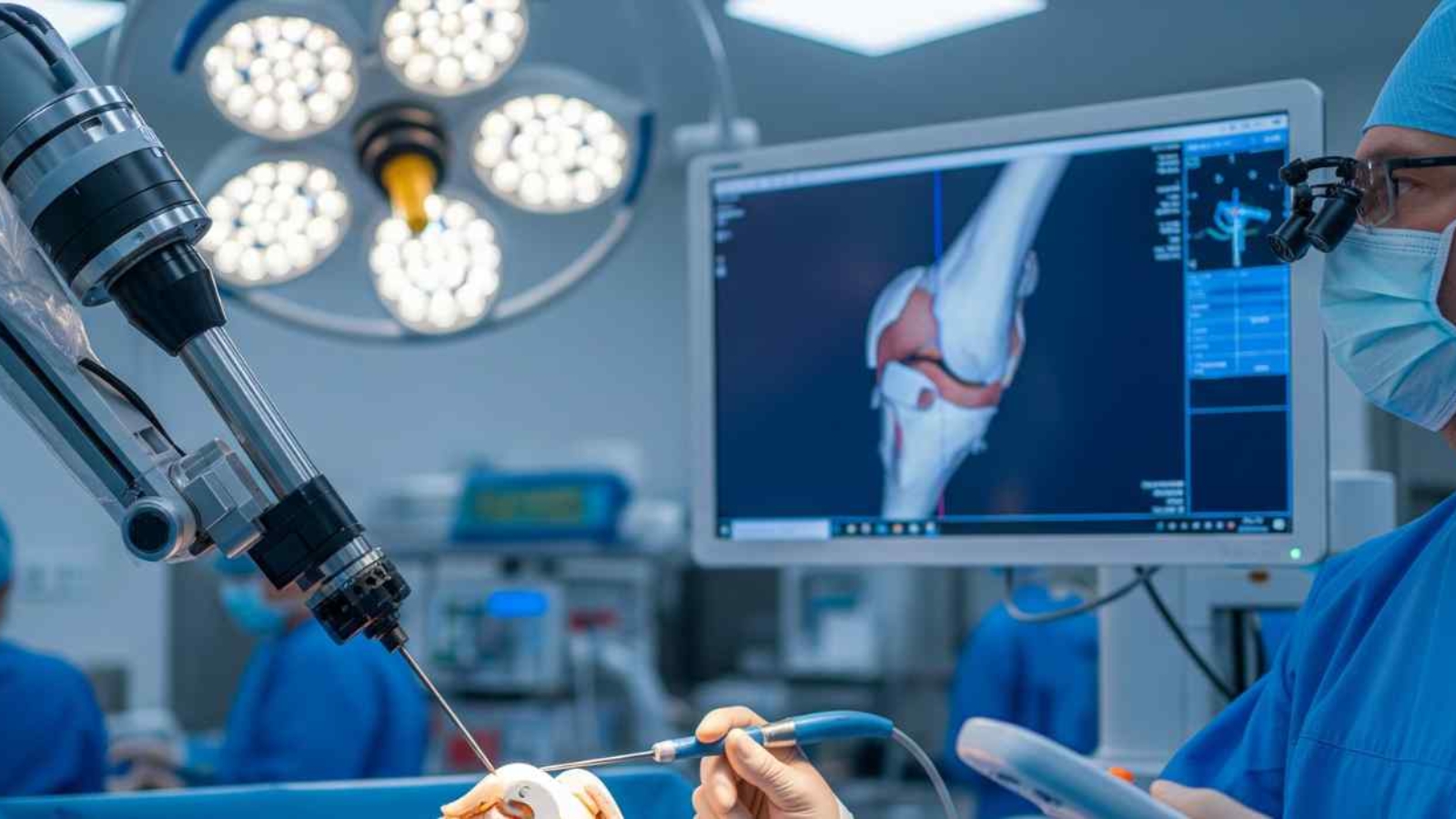
What does the future hold for a field already shaped by surgical skill, engineering innovation, and rising patient expectations? When you sit with a patient who has just learned they need joint surgery, the first worry often appears in their eyes before they even speak. They want reassurance. They want clarity. And most importantly, they want trust. This is where robotics is beginning to play a powerful role, not by replacing surgeons but by strengthening the confidence people place in the hands that guide their care. As a result of our editor’s reviews, the trend toward robotics appears to grow faster each year, shaped by new platforms, better imaging tools, and smarter intraoperative guidance systems.
How is robotic-assisted orthopedic surgery evolving?
Robotic-assisted orthopedic surgery is evolving toward systems that support surgeons with real-time feedback, improved accuracy, and enhanced control while maintaining a human-centered approach. This shift reflects a global interest in technologies that reduce variability in surgical outcomes and improve predictability for patients. According to our editor’s research, many emerging robotic platforms now use advanced mapping tools that create a clear view of bone structures before the first incision. These systems guide surgeons toward implant placement angles that match each patient’s anatomy with greater precision. Many clinicians describe this as a major improvement because even small deviations can affect long-term joint function. Another change involves expanding robotic use beyond joint replacement. Some centers now experiment with robotic support in trauma procedures, spine corrections, and sports medicine cases. These efforts remain early, but they hint at a future where robotics becomes a supportive tool rather than a speciality-specific feature. Most importantly, surgeons emphasize that robotics does not remove their judgment. Instead, it offers steady technical assistance that reduces stress during complex moments.
Why does accuracy matter so much in orthopedic care?
Accuracy matters in orthopedic care because bones and joints rely on structural alignment to function without pain or early wear. When alignment goes off even slightly, stress distributes unevenly and the implant may not perform as expected. Many specialists have noted for years that manual surgery, while highly skilled, carries natural variation due to human vision and mechanical limits. Robotics helps reduce these variations. It offers controlled boundaries and predictive modeling that guide each movement within predefined safe zones. As a result, surgeons often feel more confident when handling delicate adjustments. Patients also appreciate this accuracy because they hope for faster recovery, fewer complications, and improved implant longevity. Some studies referenced in our editor’s notes suggest that robotic-assisted knee replacements may reduce the need for revision surgery compared with traditional methods. However, more research is required to confirm these trends across larger groups. The larger point is that accuracy creates stability. Stability influences comfort. And comfort shapes the patient’s confidence throughout their long recovery journey.
What role will artificial intelligence play in future surgical planning?
Artificial intelligence is expected to play a major role in future surgical planning through more personalized predictions and analysis that help surgeons prepare for each case more efficiently. Many new software tools already incorporate machine learning models that review anatomical variations and propose optimized implant sizes or alignment strategies. These tools do not replace surgeons’ decisions, but instead offer an informed starting point. Some developers are working on platforms that could simulate entire surgeries in a virtual environment before entering the operating room, allowing teams to foresee unexpected challenges. As a result of our editor’s reviews, interest in AI-based preoperative planning has risen sharply among orthopedic departments that perform a high volume of joint replacements. Another emerging trend involves the use of AI for postoperative monitoring. Apps and connected wearables could track patient mobility and recovery milestones to help clinicians intervene earlier when something seems off. While these ideas are still in development, they show a direction where robotics and AI become partners in shaping a more predictive form of orthopedic care.
How are surgeons adapting to new robotic platforms?
Surgeons are adapting to new robotic platforms through specialized training programs, simulated practice, and gradual integration into routine workflows. Many hospitals now require additional certifications before allowing surgeons to use robotic systems. These programs help professionals understand each technical component while reinforcing the importance of patient-centered care. According to our editor’s research, adoption rates differ across regions. Centers with strong investment in orthopedic services tend to embrace robotics faster, while smaller facilities progress more slowly due to cost or training constraints. Surgeons often express that once they gain comfort with the system, they appreciate how robotics reduces fatigue, especially during long and complex procedures. The most helpful change seems to be improved visual guidance. Real-time imaging updates help the surgical team follow each adjustment without losing orientation. However, many professionals emphasize that robotics cannot replace intuition developed through years of clinical experience. Instead, the surgeon remains the final decision-maker at every step.
What benefits will patients likely notice as robotics expands?
Patients will likely notice benefits such as more predictable outcomes, potentially faster recovery, and increased confidence in surgical planning as robotics expands across orthopedic care. These improvements come from reduced variability in implant placement, more consistent bone alignment, and better protection of surrounding tissues. Many patients describe feeling reassured when they hear their surgeon uses robotic tools for added precision. This reassurance contributes to trust, which plays a major role in healing. As a result of our editor’s reviews, patient education materials increasingly highlight robotic benefits because people seek clear information before committing to surgery. Another emerging trend involves personalized treatment plans. With advanced imaging and preoperative mapping, patients can visualize their joint structure and understand the reasoning behind each surgical recommendation. This transparency supports shared decision-making and strengthens communication. When patients feel involved, they often report smoother recovery experiences and higher satisfaction.
Where is robotic-assisted orthopedic surgery heading next?
Robotic-assisted orthopedic surgery appears to be heading toward greater integration with imaging technologies, smarter decision-support systems, and wider clinical applications. Many experts envision a future where robotic platforms communicate directly with imaging tools to update bone positions in real time, even as tissues shift during surgery. This connection would allow adjustments with unmatched precision. Some developers aim to combine robotics with augmented reality displays. Surgeons could view guidance overlays directly in their field of vision without looking away from the operative area. According to our editor’s research, interest in these augmented systems has grown due to their potential to reduce fatigue and improve focus during multi-hour procedures. Another direction involves remote surgical support. While fully remote robotic surgery remains far from routine practice, some early trials explore ways for specialists to assist colleagues from distant locations through shared digital platforms. These ideas depend heavily on safety, regulation, and infrastructure, but they illustrate the ambition shaping the field’s future.
How will hospitals prepare for expanded robotic adoption?
Hospitals will prepare for expanded robotic adoption by investing in training, infrastructure, and collaborative workflows that integrate robotics into daily practice without disrupting patient care. This preparation often begins with identifying clinical departments where robotics can provide the greatest benefit. Orthopedic teams usually lead the initiative, followed closely by spine and trauma units. Facilities also evaluate room layouts to ensure enough space for robotic arms, consoles, and imaging stations. As a result of our editor’s reviews, many centers redesign operating rooms to support smooth device movement and clear visibility for all team members. Staff training programs extend beyond surgeons. Nurses, technicians, and support teams learn how to maintain equipment, set up the system, and troubleshoot minor issues during surgery. These coordinated efforts help ensure that robotics becomes a reliable tool rather than a complicated obstacle. Hospitals also assess long-term benefits such as reduced revision surgeries and improved patient satisfaction, factors that influence insurance discussions and service planning.
Why does trust remain central in a robotic future?
Trust remains central in a robotic future because patients rely on human guidance, empathy, and reassurance even when advanced tools shape the technical aspects of their surgery. The surgeon-patient relationship forms the foundation of every medical decision. No matter how advanced robotics becomes, people still want a clinician who listens carefully and explains each step with clarity. According to our editor’s research, patients repeatedly mention that communication matters more to them than technology. Robotics may enhance precision, but trust enhances comfort. This sense of comfort influences healing expectations and long-term satisfaction. Surgeons also depend on trust. They must trust the technology to support their movements and maintain stability throughout the procedure. When both sides feel confident, surgical planning becomes smoother and recovery feels more manageable. This balance between technology and human understanding defines the future of orthopedic care.
What challenges might shape the future of robotic surgery?
Challenges that might shape the future of robotic surgery include cost, access, training requirements, and the need for long-term clinical evidence across diverse patient groups. Robotics remains expensive, which can limit availability in smaller hospitals. Some regions struggle to offer equal access, raising concerns about widening gaps in surgical quality. Surgeons also need time and resources to develop proficiency with each new platform. As a result of our editor’s reviews, many professionals express that consistent training remains one of the biggest barriers to widespread adoption. Another challenge involves collecting long-term data. While early results appear promising, orthopedic experts want stronger evidence that robotic systems maintain benefits over decades of implant use. Safety, reliability, and durability remain critical concerns. Finally, integrating robotics into routine care requires careful regulation and strong hospital support. These barriers do not stop progress, but they shape the timeline as new technologies emerge.
How will the next decade redefine orthopedic care?
The next decade will likely redefine orthopedic care through a balanced blend of robotics, AI, surgeon expertise, and patient-centered communication. This blend reflects a field that values both innovation and human connection. Future systems may offer enhanced visualization, more personalized planning, and deeper integration with monitoring tools used during recovery. According to our editor’s research, orthopedic departments that embrace these developments early tend to report more efficient workflows and higher patient satisfaction. The most important shift may come from how patients perceive their care. When robotics supports safer procedures and clearer explanations, people feel more empowered in their decisions. This empowerment creates a cycle of trust that benefits everyone involved in the surgical journey.